The Dangers of Borrowing from Mashonisas
Published 01 Mar 2026
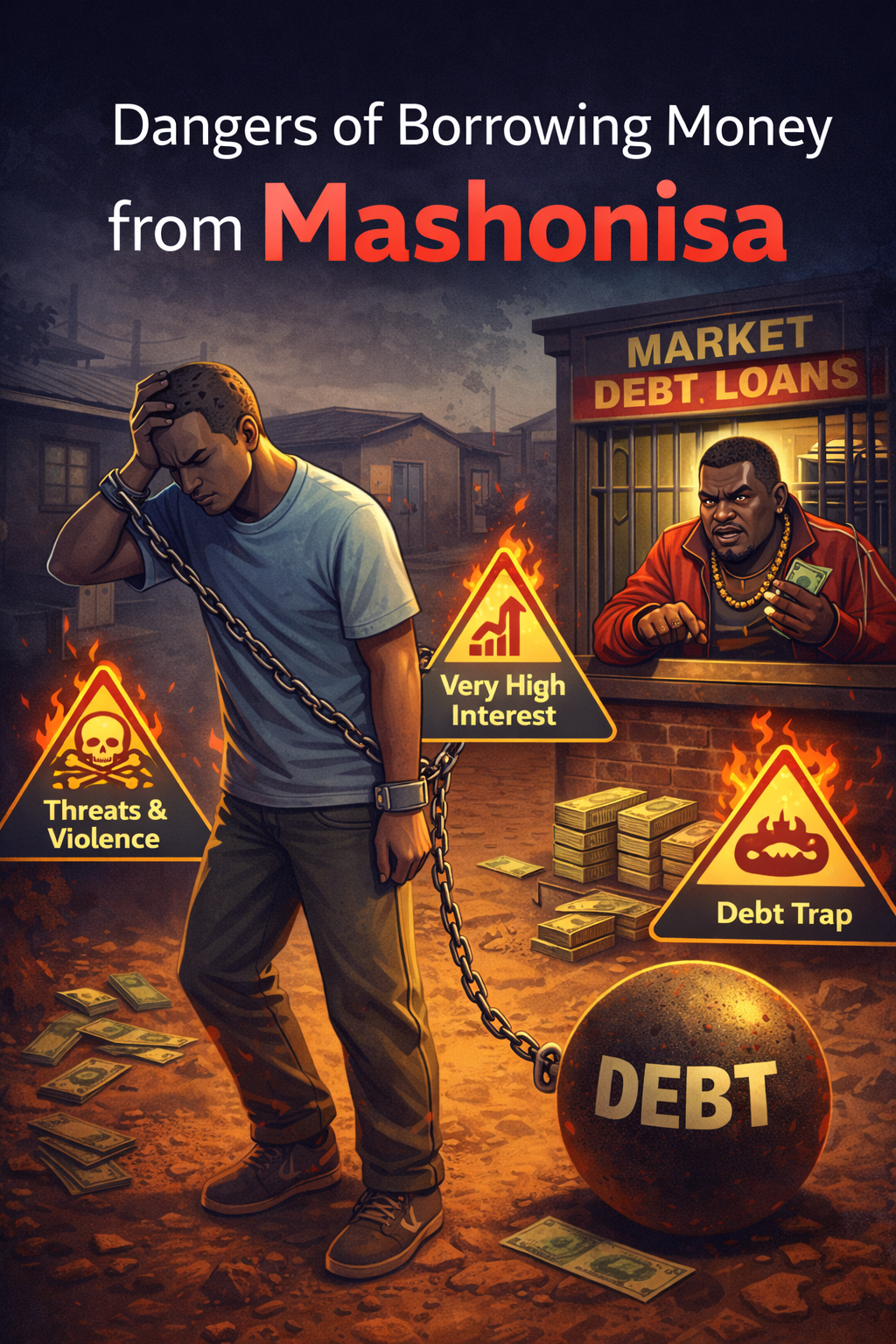
1. Extremely High Interest Rates Mashonisas often charge very high interest rates, sometimes far above what is legally allowed for registered credit providers. Because these lenders operate informally, there is usually: No written contract No clear breakdown of fees No transparency on total repayment What starts as a small loan can quickly double or triple in a short period. This creates a cycle where borrowers struggle to keep up, leading to more borrowing just to repay previous debt. 2. No Legal Protection When you borrow from a registered credit provider, you are protected by South African credit laws. These laws regulate: Maximum interest rates Collection practices Your rights as a borrower Fair treatment and dispute processes Mashonisas are not regulated in the same way. If something goes wrong, you have very limited legal protection. 3. Threats and Intimidation In some cases, mashonisas use intimidation tactics to ensure repayment. These may include: Harassment Confiscating ID documents or bank cards Public embarrassment Threats of violence Even if not all informal lenders behave this way, the lack of regulation increases the risk. 4. Debt Trap Cycle Because of high interest and short repayment periods, many borrowers: Fail to repay on time Take another loan to cover the first one Fall deeper into debt each month This cycle can become extremely difficult to escape and may affect your financial stability for years. 5. Damage to Your Financial Future Borrowing from informal lenders does not help you build a positive credit profile. In fact: There is no record of responsible repayment. There is no formal affordability assessment. You may become dependent on high-cost short-term borrowing. This makes it harder to qualify for formal credit products in the future. What Should You Do Instead? If you are in financial difficulty, consider safer alternatives: Borrow only from registered credit providers. Always review the total repayment amount. Create a repayment plan before accepting any loan. Speak to a registered debt counsellor if overwhelmed. Build a small emergency fund—even R50 per week helps. Responsible borrowing protects not only your finances but also your peace of mind. Final Thoughts Quick cash can be tempting during emergencies, but borrowing from unregulated lenders can expose you to high costs, harassment, and long-term debt problems. Before taking any loan, ask yourself: Is this lender registered? Do I understand the total repayment? Can I afford to repay without borrowing again? Making informed decisions today protects your financial future tomorrow.