How to Budget Using the 50/30/20 Rule (A Simple Guide for South Africans)
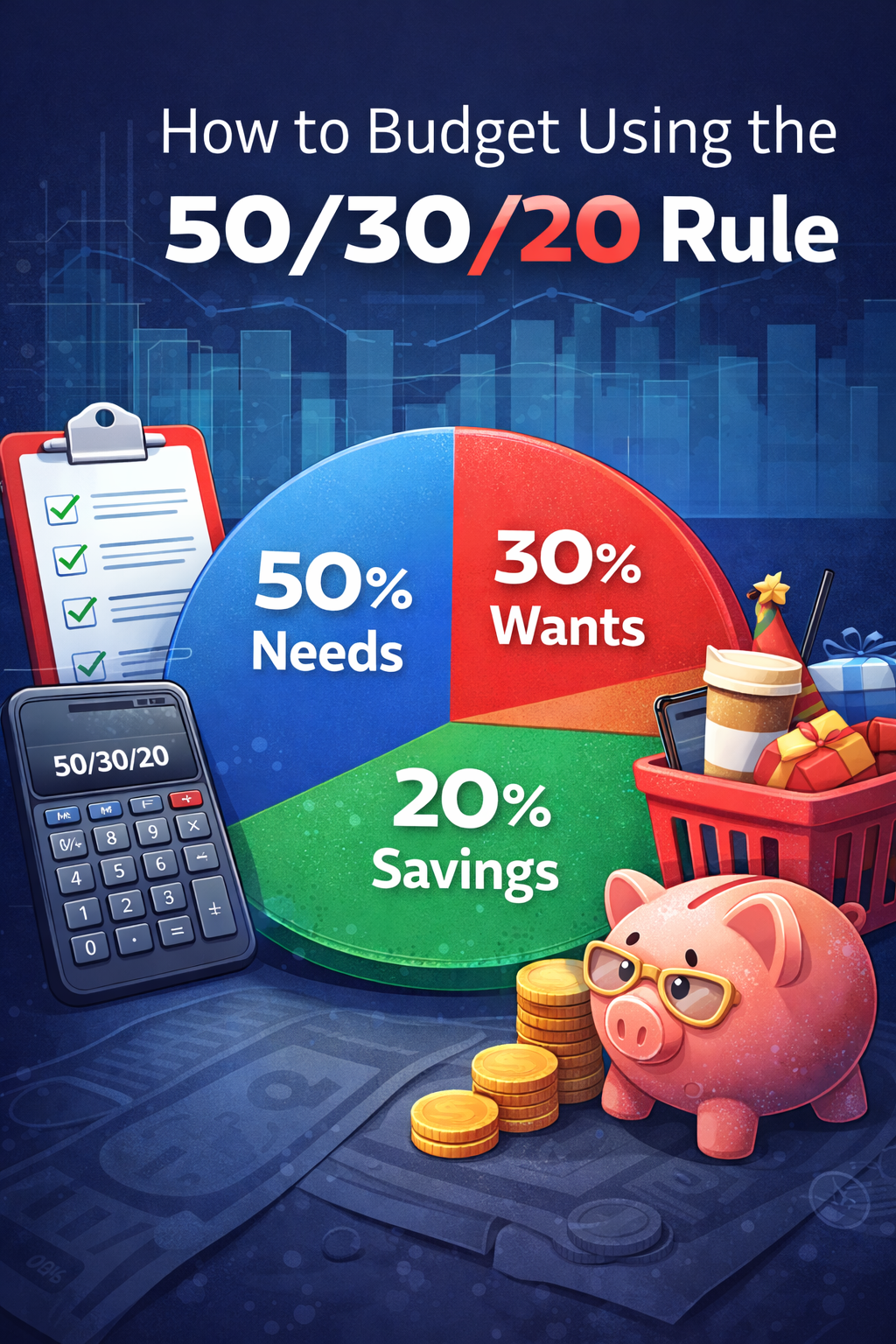
How to Budget Using the 50/30/20 Rule (A Simple Guide for South Africans) Managing money can feel overwhelming, especially when income needs to cover rent, groceries, transport, and unexpected expenses. One of the simplest and most effective budgeting methods is the 50/30/20 rule. This approach helps you organize your income into three clear categories so you can cover your needs, enjoy life, and still save for the future. Whether you earn a salary, run a small business, or receive irregular income, the 50/30/20 rule can help you build better financial habits. What Is the 50/30/20 Budget Rule? The 50/30/20 rule divides your after-tax monthly income into three parts: 50% for Needs 30% for Wants 20% for Savings and Debt Repayment This simple structure ensures your essential expenses are covered while still making room for lifestyle spending and long-term financial goals. Step 1: Allocate 50% for Needs Needs are essential expenses you must pay to live and work. These are non-negotiable costs. Examples of needs include: Rent or bond payments Groceries and basic food items Electricity and water Transport or petrol Insurance School fees Minimum debt repayments For example, if you earn R10,000 per month, about R5,000 should go toward essential expenses. If your needs exceed 50% of your income, you may need to look at ways to reduce costs, such as cutting unnecessary subscriptions or finding cheaper alternatives for certain expenses. Step 2: Allocate 30% for Wants Wants are things that improve your lifestyle but are not strictly necessary. Examples include: Eating out Entertainment and streaming services Clothing and shopping Gym memberships Holidays or weekend outings Using the previous example, if you earn R10,000 per month, about R3,000 can be spent on wants. This part of the budget allows you to enjoy your money without overspending. Step 3: Allocate 20% for Savings and Debt Reduction The final 20% of your income should go toward improving your financial future. This may include: Emergency savings Retirement savings Paying off loans faster Investments Saving for major purchases (car, home, education) With a R10,000 monthly income, R2,000 would go toward savings or paying off debt. Building an emergency fund is especially important because it helps you avoid borrowing money when unexpected expenses arise. Example Budget Using the 50/30/20 Rule Here’s what a simple budget might look like: Category Percentage Example (R10,000 income) Needs 50% R5,000 Wants 30% R3,000 Savings / Debt 20% R2,000 This structure keeps your finances balanced and prevents overspending. Tips for Making the 50/30/20 Rule Work Track your spending Before creating a budget, review your bank statements or spending history to see where your money goes. Adjust the rule if needed If your rent or transport costs are high, you may temporarily adjust the percentages while working toward better balance. Start small with savings If saving 20% feels difficult, start with 5–10% and increase gradually. Use budgeting apps or spreadsheets Digital tools can help track spending and keep your budget organized. Why the 50/30/20 Rule Works The biggest advantage of this budgeting method is its simplicity. Instead of tracking dozens of categories, you only manage three main areas of spending. It helps you: Avoid living paycheck to paycheck Build savings consistently Reduce financial stress Maintain a healthy balance between spending and saving Final Thoughts Budgeting doesn’t have to be complicated. The 50/30/20 rule is an easy framework that can help you take control of your finances and plan for the future. By spending 50% on needs, 30% on wants, and saving 20%, you create a balanced financial plan that supports both your current lifestyle and your long-term goals. The most important step is simply starting. Even small improvements in how you manage money today can lead to greater financial stability tomorrow.